
The Concept of Luck in Gambling
Luck is often perceived as a mystical force that can sway the outcomes of games in a casino setting. Many gamblers attribute their wins or losses to luck, suggesting that it plays a significant role in their experience. For instance, players who enter a casino with a positive mindset, believing that good fortune will accompany them, often report more enjoyable experiences. Additionally, those who prefer online gaming options might find that using pokies payid enhances their overall enjoyment and convenience while playing. In contrast, those who anticipate bad luck may approach the same games with trepidation, leading to a negative overall atmosphere. This psychological aspect is crucial, as it shapes how individuals engage with various games and environments within the casino.
Research supports the idea that the perception of luck can lead to behavioral changes that influence decision-making. Gamblers who feel lucky might take greater risks, opting for aggressive playstyles or larger bets, convinced that fortune favors them. Conversely, those who perceive themselves as unlucky may adopt a more cautious approach or even choose to leave the gaming floor entirely. This phenomenon highlights the intricate relationship between mental attitude and the actual mechanics of the games, underscoring that while luck appears to play a role, it is also deeply intertwined with the player’s mindset and emotions.
Moreover, the law of averages significantly influences this discussion. Many casino games are designed with the house advantage in mind, meaning that while players can experience short-term fluctuations in luck, the long-term probabilities are generally not in their favor. Players may have winning streaks or experience streaks of losses, but these results are often random variations within a system governed by statistical principles. Therefore, while luck can certainly influence an individual’s experience, it is essential to consider the broader context of odds and probabilities in casino games, reminding players that luck is just one factor in a much larger equation.
The Role of Skill in Casino Games
While luck undoubtedly plays a significant role in many casino games, the importance of skill should not be overlooked. Certain games, such as poker and blackjack, require a deep understanding of strategies and probabilities, allowing skilled players to make informed decisions that enhance their chances of winning. For example, in poker, a player’s ability to read opponents, manage their chips effectively, and utilize bluffing techniques can heavily impact the game’s outcome, often overshadowing the element of luck involved. This shows that while chance plays a role, a knowledgeable player can exert more control over their fate.
This contrast is particularly evident when comparing games of pure chance, like slots, with those that incorporate strategy, such as blackjack. Slot machines rely entirely on random number generation, making them purely dependent on luck, whereas blackjack requires players to make calculated decisions based on the cards they are dealt and the actions of other players. Thus, while the whims of fortune can certainly affect individual hands or spins, those with a solid grasp of game mechanics and strategies often create more favorable outcomes over time. This coexistence of luck and skill highlights the complexity of gambling experiences.
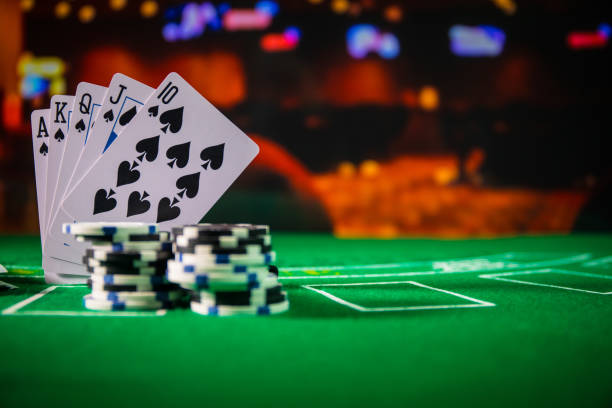
The interplay of luck and skill also influences player behavior and engagement levels. Gamblers who understand the importance of skill may find themselves more invested in learning the nuances of their chosen games, leading to deeper engagement. This desire for knowledge can foster a community of players who share strategies and experiences, further enriching the gambling environment. Therefore, while luck may seem like a whimsical contributor to gambling, the persistent influence of skill underscores the importance of education and practice in achieving a more rewarding casino experience.
The Psychological Impact of Winning and Losing
The emotional highs and lows associated with gambling can profoundly affect a player’s overall casino experience. Winning can evoke feelings of elation and excitement, reinforcing positive associations with luck and motivating further gambling. This “winner’s high” can create a psychological feedback loop, where players chase that exhilarating feeling again, even when the odds may not be in their favor. This cycle illustrates how the perception of luck influences not only immediate wins or losses but also a player’s future gambling behavior, shaping their relationship with the casino.
Conversely, losing can lead to frustration, disappointment, and sometimes frantic attempts to recover losses. Gamblers often grapple with cognitive dissonance, rationalizing their losses or blaming external factors, rather than acknowledging the randomness inherent in gambling outcomes. This mentality can lead to chasing losses, where players continue to gamble in hopes of reversing their fortunes, often resulting in greater losses and a more negative gambling experience overall. Understanding these psychological aspects offers insight into why casinos can be both compelling and potentially hazardous environments for players.
Casinos often capitalize on these emotional dynamics through their design and atmosphere, creating spaces that heighten feelings of excitement and anticipation. The manipulation of lighting, sounds, and social dynamics within casinos amplifies the experience of luck, making wins feel more significant while rendering losses easier to overlook. This complex interplay between psychological responses and the concept of luck plays a crucial role in shaping how individuals experience gambling in a casino, emphasizing the need for awareness and mindfulness in their gaming habits.
The Influence of Casino Design on Perception of Luck
The design of a casino is meticulously crafted to enhance the perception of luck among players. From vibrant colors and elaborate decorations to carefully chosen sounds that accompany wins, every aspect serves to immerse players in a world where luck feels abundant. Slot machines, for instance, often display celebratory lights and sounds with each win, reinforcing the notion that luck is not only possible but also frequent. This sensory stimulation can lead players to feel that they are in a fortunate environment, encouraging them to continue playing longer than they initially planned.
Additionally, the layout of games within a casino plays a critical role in how players perceive their luck. Games that offer more immediate gratification, such as slots or roulette, are often prominently displayed to attract attention, thereby heightening the sense of potential luck. In contrast, more strategic games like poker are typically placed in quieter areas, emphasizing the skill aspect over luck. This design distinction significantly impacts how players perceive their chances of winning, shaping their behavior and decisions within the casino.
Furthermore, the social aspects of gaming can influence a player’s belief in luck. Engaging with others at the table or within the casino creates a sense of camaraderie and shared experience that enhances feelings of luck. Players often rally around significant wins or share in the disappointment of losses, reinforcing the idea that luck is a collective experience rather than an isolated occurrence. This social dimension adds another layer to the complex relationship between luck and the overall casino experience, making it not just a game of chance but also a shared adventure among players.
Exploring the Online Casino Experience
As technology evolves, the landscape of gambling has dramatically shifted towards online platforms, offering a unique experience that alters perceptions of luck. Online casinos provide players with a digital interface that allows them to engage in gambling without the physical constraints of traditional casinos. This transition can enhance feelings of anonymity, enabling individuals to experiment with various games and strategies in a more relaxed environment. For some, this shift might actually heighten their sense of luck as they explore new gaming opportunities without the pressure of social interactions.
However, the absence of physical stimuli—such as the sounds and sights of a bustling casino—can impact how players perceive their successes and failures. In an online environment, players may experience feelings of isolation, which can lead to more pronounced emotional swings without the immediate feedback typical of a physical casino. Additionally, the lack of social interaction present in traditional casinos may hinder players’ ability to share the highs of winning or the lows of losing, affecting their overall enjoyment and engagement with the games.
Furthermore, many online casinos are designed to replicate the thrill of in-person gambling through innovative game design and interactive features. The use of randomized algorithms ensures that luck remains a central theme, similar to traditional settings. However, players must remain aware of the potential for addiction and the need for responsible gaming practices online. Ultimately, while luck continues to play a pivotal role in both online and offline casinos, the overall experience is profoundly influenced by the environment where gambling occurs, shaping individual perceptions of luck and success.


