Translation of “Payaliya” (1999) by Devanand Gattoo

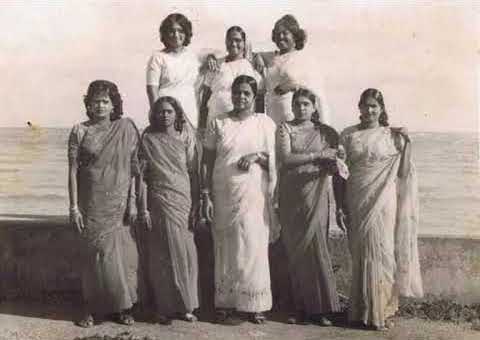
Devanand Gattoo’s “Payaliya” (1999) is the ultimate chutney. Without any religious themes or social commentary, everyone is free to dance to it without second guessing the meaning. Featured on the soundtrack from the 1999 Chutney Soca Monarch, Gattoo debuted the hit on stage at the competition. The lyrics are about the costume items traditionally worn by an Indian dancer. The dancer is referred to as “nanadiya,” which translates to ‘your husband’s sister’. Based on this, the song could be from the perspective of a “dulahin” or bride talking about her sister-in-law performing at her wedding. Or, as with several Hindustani kinship terms, “nanadiya” may be used as a synonym for a beautiful young woman. The pieces specified in the composition are the “gajra” or flower band adorning the hair and “payaliya” or anklets. A “chunari” is an embellished veil and “kangana” is a type of bracelet.

Translated by Vinay Harrichan as part of the Caribbean Hindustani team:

Payaliya payaliya payaliya re
The anklets, oh the anklets

Payaliya payaliya baje
The anklets are making noise

Chuma chuma chuma re
Jingling and making kissing sounds

Payaliya, ai payaliya, oh payaliya
The anklets, oh the anklets

Chuma chuma chuma re
Jingling and making kissing noises

Bindiya pehenke aaye nanadiya
Sister-in-law came wearing a bindi

Lage nanadiya nache re
And began to dance

Gajra pehenke aaye nanadiya
Sister-in-law came wearing a floral band

Lage nanadiya nache re
And began to dance

Kangana pehenke aaye nanadiya
Sister-in-law came wearing a bracelet

Lage nanadiya nache re
And began to dance

Chunari pehenke aaye nanadiya
Sister-in-law came wearing a veil

Lage nanadiya nache re
And began to dance

Balama (2017) by Drupatee Translated & Lyrics

Balama (2017) by Drupatee

Queen of Chutney Soca Drupatee Ramgoonai actually has two songs by the name of Balama. The below song was released in 2017, produced by Big
Rich and the Pungalunks Factory as part of Chatak Matak, a series of traditional chutney songs sung by contemporary artists. The song is a bidesia,
a traditional UP/Bihari folk song expressing longing for the migrants who left their homeland (presumably in the context of indentureship). The song is
from the perspective of a woman whose husband has gone abroad.

आय सारी रतिया निंदिया ना आवे (अरे बहिनिया, लेकिन क्यों)
All night sleep does not come (Oh, but why, sister?)
हाय दया!
Oh my god! (also translated as “Lord have mercy”)
बलमा मोरे गइले बिदेसवा
My beloved has gone abroad
बलमा मोरे, बलमा मोरे, बलमा मोरे गइले बिदेसवा
बलमा मोरे गइले बिदेसवा
बलमा गइले बिदेसवा (2x)
My beloved went abroad
बलमा मोरे गइले बिदेसवा (2x)
ओ बलमा, बलमा, बलमा, बलमा
O beloved, O beloved, O beloved, O beloved

सारी रतिया निंदिया ना आवे, निंदिया ना आवे (2x)
All night sleep does not come
रिमझिम नया नवा बरसे
New drizzles and rains arrive

बलमा मोरे, बलमा मोरे गइले बिदेसवा
My beloved has gone abroad
बलमा मोरे गइले बिदेसवा
My beloved has gone abroad

बिन सैया मोरे दिल में आग है (2x)
Without my lover, there is fire in my heart
सारी महिनवा क्या करु में
What do I do all month?
बलमा मोरे, बलमा मोरे गइले बिदेसवा
My beloved has gone abroad

ओ मोरे राजा वापस आजा, वापस आजा (2x )
Oh my king, please come back, come back
दिल के आग भूजावो रे
Parch the fire in my heart

बलमा मोरे गइले बिदेसवा (2x)
My beloved has gone abroad
बलमा गइले बिदेसवा (2x)
My beloved went abroad
बलमा मोरे गइले बिदेसवा (2x)
ओ बलमा, बलमा, बलमा, बलमा (4x)
O beloved, O beloved, O beloved, O beloved
बलमा मोरे गइले बिदेसवा (4x)

Hindustani Words and Meanings
Balama/balma – beloved/lover
Bides/Bidesawa – abroad, foreign land
Hay daya – Have mercy/oh my god
Saiya – beloved lover
Rimjhim – drizzle
Barasaawe (barse) – to rain (it rains)
Neend (nindiya) – sleep
Mahina (mahinawa) – month
Aawe – to come
Vaapas aaja – come back
Aag – fire
Raaja – king

More Lalan Ke Moeran by Motimala Bholasing Translated & Transliterated

More Lalan Ke Moeran by Motimala Bholasing Translated & Transliterated Thanks to Karan Menon

https://www.youtube.com/watch?v=Vj6y3qj8DPo

More Lalan Ke Moeran is a sohar, a traditional Bhojpuri folk song celebrating the birth of a child sung by Indo-Surinamese singer Motimala Bholasing. The songs concerns the “moeran”(mundan in Hindi), the ritual first haircut of a Hindu infant. The lyrics are fairly simple to understand and contain a lot of repetition, so this is a great song to listen to as someone who is a beginner in Caribbean Hindustani or new to Indo-Caribbean culture. Keep your eye out for wordspertaining to the family.

बाजे बधाइयाँ,  अरे बाजे बधाइयाँ (2x)

Give the congratulations, give the congratulations

मोरे लालन के मूरन है आज बाजे बधाइयाँ (3x)

Today is my child’s moeran (first haircut), give the congratulations

बाजे बधाइयाँ,  की बाजे बधाइयाँ (2x)

Give the congratulations, give the congratulations (to the child)

मोरे लालन के मूरन है आज बाजे बधाइयाँ (3x)

Today is my child’s moeran (first haircut), give the congratulations

मूरन कराने आये ललना के आजा, मूरन कराने आये ललना के आजी (2x)

The little one’s paternal grandfather came to do the moeran. The little one’s paternal grandmother came to do the moeran.

उनकर पोता के मूरन है आज, बाजे बधाइयाँ, उनकर  पोतीं नांदिन के मूरन है आज, बाजे बधाइयाँ

Today is their grandson’s moeran, give the congratulations. Today is their granddaughter’s moeran, give the congratulations.

मूरन कराने आये ललना के नाना, मूरन कराने आये ललना के नानी (2x)

The little one’s maternal grandfather came to do the moeran. The little one’s maternal grandmother came to do the moeran.

उनकर नाती के मूरन है आज, बाजे बधाइयाँ, उनकर नातिन के मूरन है आज, बाजे बधाइयाँ

Today is their grandson’s moeran, give the congratulations. Today is their granddaughter’s moeran, give the congratulations.

मोरे लालन के मूरन है आज बाजे बधाइयाँ

Today is my child’s moeran (first haircut), give the congratulations

मूरन कराने आये ललना के पूवा, मूरन कराने आये ललना के पूफा

The little one’s aunt (father’s sister) came to do the moeran. The little one’s uncle (father’s sister’s husband) came to do the moeran.

मूरन कराने आये ललना के काका, मूरन कराने आये ललना के काकी

The little one’s uncle (father’s brother) came to do the moeran. The little one’s aunt (father’s brother’s wife) came to do the moeran.

उनकर बेटा के मूरन है आज बाजे बधाइयाँ, उनकर बेटी के मूरन है आज बाजे बधाइयाँ

Today is their son’s moeran, give the congratulations. Today is their daughter’s moeran, give the congratulations.

मोरे लालन के मूरन है आज बाजे बधाइयाँ

Today is my child’s moeran (first haircut), give the congratulations

मूरन कराने आये ललना के मौसी, मूरन कराने आये ललना के मौसा

The little one’s aunt (mother’s sister) came to do the moeran. The little one’s uncle (mother’s sister’s husband) came to do the moeran.

मूरन कराने आये ललना के मामा, मूरन कराने आये ललना के मामी

The little one’s uncle (mother’s brother) came to do the moeran. The little one’s aunt (mother’s brother’s wife) came to do the moeran.

उनकर बहिने के मूरन है आज बाजे बधाइयाँ, उनकर बहिने के मूरन है आज बाजे बधाइयाँ

Today is their nephew’s moeran, give the congratulations. Today is their niece’s moeran, give the congratulations.

मोरे लालन के मूरन है आज बाजे बधाइयाँ (2x)

Today is my child’s moeran (first haircut), give the congratulations

बाजे बधाइयाँ,  की बाजे बधाइयाँ (2x)

Give the congratulations, give the congratulations (to the child)

मोरे लालन के मूरन है आज बाजे बधाइयाँ (3x)

Today is my child’s moeran (first haircut), give the congratulations

Notes: Family related words are among the few Caribbean Hindustani nouns that may distinguish between gender. Male and female nouns referring to family members can sometimes be differentiated by the endings -a and -i (nana/aaja being a grandfather, and nani/aaji being a grandmother). However, if the male noun ends with an -i, the female counterpart ends with an -in (naati being grandson, naatin being granddaughter). You’ll see some male words ending in -a whose female counterpart ends with an -in as well (i.e. dulaha for groom, dulahin for bridge).

The words pota and naati are synonymous (meaning grandson) as are the words potin and naatin (meaning granddaughter)

Also, Bhojpuri does not have a unique word to represent niece and nephew, so beta (son) and beti (daughter) are used to represent the parent-like relationship between aunt/uncle and niece/nephew. The word bahine, which comes from the word for sister, also means both niece and nephew. However, with the influence of Hindi, bhateej and bhateejin are also used to represent nephew and niece respectively.

Lyrics and Translation of Krishna Ko Sang by Johnny Mykoo

Krishna Ko Sang by Johnny Mykoo Translated & Transcribed by Karan Menon

https://www.youtube.com/watch?v=PJDZaEttF-Q

संघत से गुन वोटिये, संघत से गुन जाई
(Let us give praise (to God) together)

पास पास मिसरी की एक बा उ भिकाए सिया बोले रामचंद्र की जय भगवान
(Close together, we say Jay Bhagwan (victory to the Lord) to Lord Rama)

कृष्णा को संग बो तू बालक, गो चलावन बन गया (4x)
(You children are with Lord Krishna, and became cow grazers (metaphorically meaning that they join the path of Lord Krishna))

हरी की ज्ञान में दाना लेना सुन सुन साजन दान रे (4x)
(Take the gift of the Lord’s wisdom, listen beloved, take the gift)

जनम लिन्हे बस की ज्ञान में नन्दा को ला ला भए (4x)
(The news arrives that Nanda Baba’s dear son has taken birth)

कृष्णा को संग बो तू बालक, गो चलावन बन गया (2x)
(You children are with Lord Krishna, and became cow grazers (metaphorically meaning that they join the path of Lord Krishna))

सपन को जरु सन समाये जो ते गोपी ग्वाल को (4x)
(Closely understand your dreams and look at the gopis-gwals (the cowherd and the cowherd maidens))

झुलते मैया महल में पलजा सपन है दिल चारि को (4x)
(The mother (Yashoda) rests on her bed in her palace as she swings the child. She dreams with a pure heart. )

हमसे उ के सन सापी देखो चाहडा जात को (2x)
(I hope to go to see the cleanliness of this)

कृष्णा को संग बो तू बालक, गो चलावन बन गया (4x)
(You children are with Lord Krishna, and became cow grazers (metaphorically meaning that they join the path of Lord Krishna)

Lyrics and Translation of Hathakay Kangana by Winston Tolan

Hathakay Kangana by Winston Tolan of Jamaica translated and transliterated by Karan Menon

https://youtu.be/RQe-yeSQekM

हाथ के कंगना, नचनिया के दे दो
Give me the bangles (hand bracelets) of the dancer
हाथ के कंगना, नचनिया के दे
Give me the bangles (hand bracelets) of the dancer

हाथ के कंगना, नचनिया के दे दो
Give me the bangles (hand bracelets) of the dancer
हाथ के कंगना, नचनिया के दे दो
Give me the bangles (hand bracelets) of the dancer

जो दुलहिन तोरे मैया जा होवे
O bride, see your mother making it happen
जो दुलहिन तोरे मैया जा होवे
O bride, see your mother making it happen

बितरा से निकलो दुवरिया पर तार हो
Leave the past, and call your beloved
बितरा से निकलो दुवरिया पर तार हो
Leave the past, and call your beloved
बितरा से निकलो दुवरिया पर तार हो
Leave the past, and call your beloved
बितरा से निकलो दुवरिया पर तार हो
Leave the past, and call your beloved

हाथ के कंगना, नचनिया के दे दो
Give me the bangles (hand bracelets) of the dancer
हाथ के कंगना, नचनिया के दे दो
Give me the bangles (hand bracelets) of the dancer

जो दुलहिन तोरे मौसी जा होवे
O bride, see your mother’s sister making it happen
जो दुलहिन तोरे मौसी जा होवे
O bride, see your mother’s sister making it happen

बितरा से निकलो दुवरिया पर तार हो
Leave the past, and call your beloved
बितरा से निकलो दुवरिया पर तार हो
Leave the past, and call your beloved
बितरा से निकलो दुवरिया पर तार हो
Leave the past, and call your beloved
बितरा से निकलो दुवरिया पर तार हो
Leave the past, and call your beloved

हाथ के कंगना, नचनिया के दे दो
Give me the bangles (hand bracelets) of the dancer
हाथ के कंगना, नचनिया के दे दो
Give me the bangles (hand bracelets) of the dancer

जो दुलहिन तोरे मामी जा होवे
O bride, see your mother’s brother’s wife making it happen
जो दुलहिन तोरे मामी जा होवे
O bride, see your mother’s brother’s wife making it happen

बितरा से निकलो दुवरिया पर तार हो
Leave the past, and call your beloved
बितरा से निकलो दुवरिया पर तार हो
Leave the past, and call your beloved
बितरा से निकलो दुवरिया पर तार हो
Leave the past, and call your beloved
बितरा से निकलो दुवरिया पर तार हो
Leave the past, and call your beloved

हाथ के कंगना, नचनिया के दे दो
Give me the bangles (hand bracelets) of the dancer
हाथ के कंगना, नचनिया के दे दो
Give me the bangles (hand bracelets) of the dancer

निहर बारे, तासल बारे, बारे पलवारे
?, strike the tassa, create a new family
निहर बारे, तासल बारे, बारे पलवारे
?, strike the tassa, create a new family
मांग के सिंदूर बड़े लम्बी लम्बी बारे
Ask for the sindoor (vermillion) to be applied with long, big strikes
मांग के सिंदूर बड़े लम्बी लम्बी बारे
Ask for the sindoor (vermillion) to be applied with long, big strikes
मांग के सिंदूर बड़े लम्बी लम्बी बारे
Ask for the sindoor (vermillion) to be applied with long, big strikes
मांग के सिंदूर बड़े लम्बी लम्बी बारे
Ask for the sindoor (vermillion) to be applied with long, big strikes

हाथ के कंगना, नचनिया के दे दो
Give me the bangles (hand bracelets) of the dancer
हाथ के कंगना, नचनिया के दे दो
Give me the bangles (hand bracelets) of the dancer

Translation and Lyrics for Kahwase Aye (काहवा से आयो) sung by Ashnie

Lyrics for Kahwase Aye sung by Ashnie, thanks to Karan Menon.

https://youtu.be/gI7lptK3cw8

काहवा से आयो भगवाने, कहा से शिव शंकर, कहा से महादेव।
where did God, where did Shiv-Shankar, where Mahadeva (Lord Shiva) come from?
अरे कौने सखी के लाले खिले तोरे अंगना हो।
Which female friend’s sweetheart played in your courtyard?
अरे कौने सखी के लाले खिले तोरे अंगना हो।

कुर्बे से आयी भगवान, कुर्बे से शिव शंकर, क़ुर्बे से महादेव हो।
God, Shiv-Shankar, and Mahadeva came from nearby
अरे राधा झुलावे अपुन गोदिया गुवार संगे नाचक हो।
Radha plays with the child in her lap and everyone is dancing together
अरे राधा झुलावे अपुन गोदिया गुवार संगे नाचक हो।

नाचे नाचे गाओ रे बहिनिया ललन को, खिलावत ललन को, झुलावत हो।
O Sisters sing and dance for the little one, play with the little one, swinging him
अरे झटवा दौरि, दौरि आवे झतनिया गोद उठावत हो।
This is something about the husband’s elder brother coming and the husband’s elder brother’s wife lifting the child into her lap
झटवा दौरि, दौरि आवे झतनिया गोद उठावत हो।

काहवा से आये कन्हैया, कहा से भैया लक्ष्मण, कहा से प्रभु राम हो ।
Where did Lord Krishna, Brother Lakshma, and Lord Ram come from?
अरे गोदिया खिलावे तीनो मैया बड़ी आनंतावत हो
the mother became very happy after playing with the child in her lap
अरे गोदिया खिलावे तीनो मैया बड़ी आनंतावत हो

Everything after this point is a repeat of the previous lines
काहवा से आयो भगवाने, कहा से शिव शंकर, कहा से महादेव।
अरे कौने सखी के लाले खिले तोरे अंगना हो।

काहवा से आये कन्हैया, कहा से भैया लक्ष्मण, कहा से प्रभु राम हो ।
अरे गोदिया खिलावे तीनो मैया बड़ी आनंतावत हो

अरे कौने सखी के लाले खिले तोरे अंगना हो।
अरे गोदिया खिलावे तीनो मैया बड़ी आनंतावत हो

Lyrics For | HUM KA KARI | हम का करीं | By Raj Mohan & Ragga Menno

Lyrics For | HUM KA KARI | हम का करीं | By Raj Mohan & Ragga Menno| Thanks To Karan Menon

https://www.youtube.com/watch?v=Siow2Vfnjzc

आय कोरोना बा
COVID-19 has come
दुनिया के भर चाइर बा
All around the world there is…
सबके मूड इ खाइर बा
Everyone is talking about this
हम ना जानी दे मढ़िया इ रौआ का
I don’t know when I can meet you
कहा से आइल बा?
Where did it come from?

हम का करि, का करि, का करि
What should I do?
अरे हम का करि, का करि, का करि
Hey, what should I do?
अब हम का करि, का करि, का करि
What should I do now?
न जाने का करि, का करि, का करि
I don’t know what to do.

इ तो कोरोना बा, ना इ खिलौना बा
This is the coronavirus, not a toy!
इससे तकर ना मार पीस लैले अपन हार
If we don’t kill it, it will defeat us
कोइके हाथ ना मिलाये, सबके बुद्धिये नमस्कार
Don’t touch each other’s hands, but send my greetings to the elders
कोई ? न लगाइये, सबसे दूर तुलक राहिले
? , maintain social distancing
अपन हाथ मोइसे धोये, नहीं बस्ताई के रोये
Wash your hands well, or else cry
थोड़ा बीमार देखोये, सीदा दातरार के जाइये
If you seem a bit sick, then go away (isolate yourself)
कोइके पास तु ना जाइये, मुहवा बंद करके रखिये
Don’t go near anyone, keep your mouth closed
न छिकये, न पादये न ? यार
Don’t sneeze, don’t fart, don’t ?, friend
इ तो कोरोना बा सबको घर दे बीमार
This coronavirus is giving sickness to every house
के पारी सुनके जोई बोले सरकारी
Listen to what the government says about this
तोह कोरोना बा से ना कर खिलवार
Don’t play around with this coronavirus
बतिया इ से बात हम का करि यार
I’m telling you what we are doing

हम का करि, का करि, का करि
अरे हम का करि, का करि, का करि
अब हम का करि, का करि, का करि
न जाने का करि, का करि, का करि

सबको कोसिस कर, और रहो अपना घर
Everyone put your effort and stay at home
जो तू बहरे न जाइये, कोरोना तू ना पाइए
If you don’t go out, corona won’t get you
तोर घर में सफाई, तो कोरोना भी न आई
If you keep your house clean, then corona won’t come either

इ कोरोना कसूर, के हम सबसे होला दूर
Because of this coronavirus, we got to stay far from others
आजा आजी से दूर, नाना नानी से दूर
Away from paternal and maternal grandparents
सब कोरोनिया से दूर, मैया बप्पा से दूर
Away from all coronaviruses, away from mom and dad
ना ही फिक लगे हमके बाकी कर एक पार इ
If we don’t feel well, we should do this

हमें हिम्मत बांध के लड़ेक पर इ, सबके साहेक पर इ
With strength we should fight together against this virus
तबके लड़ेक पर इ, मिल झूल के सात फिर मारेक पर इ
Once we fight this [virus], we can
इ जो कोरोना बाई, इससे ना कर खिलवार
Don’t play around with this coronavirus
बतिया ऐसे बात हम का करि यार?
I’m telling you what we are doing

हम का करि, का करि, का करि
अरे हम का करि, का करि, का करि
अब हम का करि, का करि, का करि
न जाने का करि, का करि, का करि

भाग यहाँ से! (Go away from here!)

हम ना खेल बाप अब तू चल
I’m not playing dad now you come
फिर हमके मार्डीस ता भोजा बेहाल
Otherwise our mouths will send suffering (i.e. coughing and sneezing)
हम तो घरे बैठक न मांगे इ बबाल
Sitting at home we don’t want this ?
से मांगी जाई दात्र और मैं ही असहोंडाल (हम का सुनीला?)
It will require distance and hospitals (what did I hear?)
सुन सुन हमार मामा-ममी, मौसा-मौसी
Listen our maternal aunts and uncles
हमार भाइयो बहिनो तांता ॐ और पड़ोसीन
Our brothers and sisters and our neighbors
हमार संघात यार (अच्छा?)
Our community, friends (really?)
हमार आजा-आजी, नाना-नानी, बुआ फूफा और जे के ना जानी
Our paternal grandparents, maternal grandparents, paternal aunt and uncle and even those we don’t know
हम बिन की दुआ अरे सबसे करि
We will pass this virus if everyone does this
इ कोरोना से देखो कोई ना मरी
Let’s make sure that no one dies from this coronavirus
जब सब कोई मिल के साथे लड़ी
When everyone fights together
बतिया अईसे बात तब हम का करि
I’m telling you what we are doing

हम का करि, का करि, का करि
अरे हम का करि, का करि, का करि
अब हम का करि, का करि, का करि
न जाने का करि, का करि, का करि

हम चल मचलवा दुनिया में
(Here the virus is talking and saying that it will go around the world)

हम का करि, का करि, का करि
अरे हम का करि, का करि, का करि
अब हम का करि, का करि, का करि
न जाने का करि, का करि, का करि

भाग यहाँ से, भाग यहाँ से! (Go away from here!)

हम का करि, का करि, का करि
(What should I do?)
अरे हम का करि, का करि, का करि
(He what should I do?)

का कर पाइये बॉय!
(Do something boy!)

Lyrics for Lalan Ghar Sung by Ashni Matadin

The lyrics for Lalan Ghar a Sohar sung by Ashni Matadin, thanks to Karan Menon.

https://www.youtube.com/watch?v=h3vgjyo6WpE

ललन घर आयो रे, मंगल गावो (4x)
The little one has arrived, sing the auspicious songs
ललना के मैया गोदी खेलावे (2x)
The little one’s mother plays with the child in her lap
गोदी खेलावे, गोदी खेलावे
ललना के मैया गोदी खेलावे
नानी लोरी लोरी, नानी लोरी लोरी गायो रे मोहर लावो
The maternal grandmother sings lullabies, bring the child to me

ललन घर आयो रे, मंगल गावो
The little one has arrived, sing the auspicious songs
ललन घर आयो रे, सोहर गावो
The little one has arrived, sing the Sohars (childbirth songs)

ललना के पप्पा कांधा झुलावे (2x)
The little one’s dad swings the child on his shoulders
कांधा झुलावे, कांधा झुलावे
नाना बलि बलि, नाना बलि बलि जायो रे, मंगल गावो
The maternal grandfather goes happily, sing the auspicious songs

ललन घर आयो रे, मंगल गावो

ललना के आजी, बेना डोलावे (2x)
The little one’s paternal grandmother is fanning the child with a hand-held fan
पेन डोलावे, बेना डोलावे
ललना के आजी, पेन डोलावे
आजा बलि बलि, आजा बलि बलि जायो रे, मंगल गावो
The paternal grandfather goes happily, sing the auspicious songs
ललन घर आयो रे, सोहर गावो
ललन घर आयो रे, मंगल गावो (repeat till end)

Encouraging Chutney Music

Jason Sookram, also known as DJ Floops, founder of ChutneyMusic.com is an open-minded entrepreneur with the desire to bring all genres of Indo Caribbean music to the world, from classical taan to soca spiked chutney. Mr. Sookram was born on February 2nd of 1984 to a simple working-class family of San Fernando who motivated him to do well academically. His love for music started in early years listening to the melodic voice of Mohammad Rafi from older Bollywood films which is father well-loved. He was also surrounded by Trinidad’s own unique style of classical Indian music known as ‘Taan Singing’ for which he developed a place of honor, as well as the other styles of local music specifically chutney.

During his school days, Jason attended a school where many of his peers were of Afro-Trinidadian or partly Afro-Trinidadian heritage, and by building friendships with them, his love for music broaden as he was exposed to various genres of Afro-Caribbean Music which he began to explore and enjoy. Jason’s passion was not only in music but also in academia.

In academics being an accountant and later a charter internal auditor (2015),  he embraced business and finance, utilizing these skills as well as the creative nature that he began thinking outside of the box. Later, having achieved his MBA in Finance (2018) his hard work was not without notice as he was awarded the Sever Award. Mr. Sookram’s dream now was to run his own business; however, destiny chose to rekindle Jason’s passion for music.

In August of 2010, he was asked by some friends if he could DJ to which he reluctantly agreed. Thinking his work was mediocre, he was stunned to see the praise that followed earning him the name Dj Floops. He was greatly encouraged for his Dj skill and the concept of DJ and Business working together was formed. He pursued DJ education to refine his abilities. He also began to write, compose, and sing. In 2013 he won 2nd place in Petrokaiso Chutney Competition for his song, ‘Damini’, a Chutney Soca song that he composed utilizing some Caribbean Hindustani words. His song was well-received, having double entendre and innuendoes. One would need to have an understanding of the Caribbean Hindustan words to fully understand.

In 2015 he achieved another hit with his song, ‘World’s Greatest Show’ though, this number did not play on words as ‘Damini’, it did very well. In 2016 he started to venture into instrumental music. Jason Sookram’s fame was growing and many people as of 2017 recognized him as the ‘Chutney Man’. He realized during those seven years the status of Chutney Music was looked down upon when compared to other forms of music in Trinidad. Mr. Sookram decided the face of Chutney must change and in response, he launched ‘https://chutneymusic.com/’ to encourage not only chutney music but the other forms of Indian music found in the Caribbean. An example of this is the translation in the song ‘Gunga Gana’ that he collaborated with Caribbean Hindustani to be more appealing and gain a wider audience.

Dj Floops’ desire is to promote Indian music, culture, and unity. It is then the goal of Caribbean Hindustani and Chutney Music to work together to promote the unique Indo-Caribbean culture that many proudly identify as West Indian.

©Caribbean Hindustani- RajSingh Ramanjulu