Biocare a jak ovlivňuje zdraví vlasových folikulů a růst vlasů

Pro zajištění zdravého růstu kadeří je důležité zaměřit se na přírodní zdroje minerálů. Tato živina hraje klíčovou roli v procesu obnovy a regenerace pokožky hlavy. Když tělo dostává dostatečné množství těchto minerálů, dochází k výraznému zlepšení vzhledu i síly jednotlivých pramenů.

Vhodný příjem minerálních látek z potravin bohatých na přírodní zdroje, jako jsou ořechy, semena, a zelená listová zelenina, může napomoci k stimulaci přirozeného procesu růstu. Bez nich se vlasy mohou začít slabnout a ztrácet na vitalitě, což ovlivňuje jejich vzhled a celkové zdraví.

Správná výživa, která zahrnuje minerály, by měla být nedílnou součástí každodenního jídelníčku. Vybírejte potraviny s obsahem zinku, železa nebo selenu, jelikož tyto prvky pozitivně ovlivňují regeneraci a růst vlasů, čímž přispívají k dosažení zdravějších a silnějších pramenů.

Jak biocare ovlivňuje regeneraci buněk

Minerály hrají klíčovou roli při obnově buněk, což má přímý dopad na zdraví našich pramenů. Kvalitní výživa bohatá na esenciální prvky, jako je zinek, selen a železo, napomáhá regeneraci a posiluje strukturu vlasů. Tyto látky podporují aktivaci buněk, což vede k zvýšené kvalitě a síle. Pravidelný příjem potravin bohatých na minerály může zřetelně zlepšit vzhled a vitalitu vlasů.

V rámci péče o vlasy je důležité zaměřit se na rostlinné zdroje a přírodní doplňky. Zelenina, ořechy a semena jsou vynikajícím zdrojem potřebných živin. Doporučuje se zařadit do jídelníčku potraviny jako jsou avokádo, losos a chia semena. Tímto způsobem lze efektivně podpořit regeneraci buněk a zajistit zdravý růst vlasů.

Strava a její vliv na zdraví vlasů

Vyvážená výživa, bohatá na minerály a vitamíny, je klíčem k udržení krásy a lesku vlasů. Zahrnutí potravin, které mají vysoký obsah železa, zinku a vitamínu E, může napomoci k udržení jejich vitality.

Vlasové trsy jsou citlivé na nedostatek živin. Nedostatek některých minerálních látek může vést k oslabení a vypadávání pramínků. Zdravé občerstvení, jako ořechy a semena, dodává potřebné živiny.

Přírodní potraviny jako listová zelenina a ryby jsou vynikající volbou. Obsahují omega-3 mastné kyseliny, které přispívají k dobrému prokrvení pokožky hlavy a tím podporují růst.

Vitaminy B-komplexu, obsažené v celozrnných produktech a luštěninách, výrazně ovlivňují celkovou kondici kadeří. Podporují metabolismus a revitalizaci buněk.

Hydratace je rovněž významná. Pití dostatečného množství vody pomáhá udržet vlasy hydratované a lesklé. Doporučuje se konzumace čerstvého ovoce a zeleniny s vysokým obsahem vody.

Exotické plody, jako avokádo a kokos, poskytují zdravé tuku a minerály. Tyto potraviny posilují strukturu vlákna a dodávají lesk.

Jídlo bohaté na antioxidanty, například bobulovité plody, chrání vlasy před volnými radikály. Tím se snižuje riziko poškození a udržuje se zdravá barva.

Celkově lze říci, že uvědomělý přístup k jídelníčku hraje klíčovou roli v péči o vlasy a přispívá k jejich přirozené kráse a životnosti.

Tipy pro správnou péči o vlasy a pokožku hlavy

Pravidelně masírujte pokožku hlavy oleji, které obsahují přírodní výživu a minerály, jako jsou kokosový nebo jojobový olej. Tím podpoříte prokrvení a stimulaci růstu. Hydratace je klíčová pro udržení zdravého vzhledu.

Zařaďte do stravy potraviny bohaté na bílkoviny, vitamíny a minerály. Ovoce, zelenina a celozrnné produkty napomáhají regeneraci buněk a posilují strukturu pramenů.

Vybírejte šampony a kondicionéry bez sulfátů a parabenů, které by mohly poškodit vlasy. Přírodní produkty obsahují méně chemie a poskytují vlasům potřebnou ochranu a výživu.

Omezte používání horkých nástrojů při úpravě vlasů, abyste zabránili jejich poškození. Přirozené sušení a minimalizace teploty pomohou udržet vlasy silné a zdravé.

Regulujte stres, který může ovlivnit jak růst, tak kvalitu hřívy. Meditace nebo lehké cvičení pomohou uvolnit napětí a zlepšit celkovou pohodu.

Dodržujte pravidelný plán stříhání, ideálně každých šest až osm týdnů. To podpoří zdravý růst a zbaví se roztřepených konečků, které mohou konstrukci vlasů negativně ovlivnit.

Účinky přírodních látek na zdraví vlasů

Minerály, jako například zinek a železo, hrají klíčovou roli v podpoře růstu vašich kadeří. Doporučuje se zařadit do jídelníčku potraviny bohaté na tyto prvky, což může pozitivně ovlivnit strukturu a lesk vlasů.

Přírodní oleje, jako je arganový nebo jojobový, také přispívají k posílení vlasů tím, že je chrání před poškozením. Jejich aplikace pravidelně pomáhá udržovat přirozenou vlhkost a elasticitu, což je důležité pro zdravý vzhled.

Studie naznačují, že bylinky jako rozmarýn a kopřiva stimulují prokrvení pokožky hlavy a tím podporují růst vlasů. Tyto rostlinné látky mají schopnost posilovat vlasy i na úrovni folikulů, což přispívá k prevenci vypadávání.

Minerál Účinek na vlasy
Zinek Podporuje růst a regeneraci
Železo Zlepšuje prokrvení a zdraví

Pro více informací o přírodních produktech navštivte czbiocare.com.

Video:

Jaké ingredience v Biocare jsou nejúčinnější pro zdraví vlasových folikulů?

Ve složení Biocare se nachází několik klíčových ingrediencí, které přispívají k zlepšení zdraví vlasových folikulů. Mezi ně patří extrakt z bylin, vitamíny a minerály, které pomáhají stimulovat růst vlasů a zpevňují strukturu vlasů. Například biotin je známý svou schopností podporovat silnější vlasy a zdravější pokožku hlavy.

Jaký je doporučený způsob použití Biocare pro maximální účinnost?

Pro dosažení nejlepších výsledků je důležité Biocare používat pravidelně. Doporučuje se aplikovat produkt na vlhké vlasy po umytí a jemně vmasírovat do pokožky hlavy. Poté je dobré nechat produkt působit minimálně 10 minut, aby se mohly účinné látky plně vstřebat.

Existují nějaké vedlejší účinky užívání Biocare?

Ačkoli Biocare obsahuje přírodní ingredience, někteří jedinci mohou zažít alergické reakce na určité složky. Je důležité provést patch test před plným použitím, aby se předešlo negativním reakcím. Pokud se vyskytnou podráždění nebo nepohodlí, doporučuje se produkt ihned přestat používat.

Jak dlouho trvá, než se dostaví výsledky používání Biocare?

Doba, než jsou patrné výsledky, se liší podle jednotlivce a stavu vlasů před použitím produktu. Obecně se doporučuje používat Biocare alespoň 4–6 týdnů, abyste mohli posoudit jeho účinnost. Někteří uživatelé mohou zaznamenat zlepšení dříve, zatímco jiní budou potřebovat delší dobu.

Je Biocare vhodný pro všechny typy vlasů?

Biocare je navržen tak, aby vyhovoval různým typům vlasů, včetně suchých, jemných nebo mastných. Jeho složení se zaměřuje na výživu a regeneraci vlasů bez ohledu na jejich typ. Nicméně, pokud máte specifické problémy s vlasy, může být užitečné konzultovat s odborníkem, aby se zjistilo, zda je tento produkt nejvhodnější pro vaše potřeby.

Jaké jsou hlavní faktory ovlivňující zdraví vlasových folikulů?

Zdraví vlasových folikulů je ovlivněno různými faktory, jako jsou genetika, strava, úroveň stresu a environmentální vlivy. Správná péče o vlasy, zahrnující pravidelné mytí a hydrataci, může také podpořit zdraví těchto folikulů. Kromě toho je důležité mít dostatek vitamínů a minerálů, které pomáhají v regeneraci vlasů a jejich růstu.

Jak biocare produkty přispívají k zdraví vlasových folikulů?

Produkty biocare obsahují přírodní ingredience, které podporují prokrvení pokožky hlavy a vyživují vlasové folikuly. Mnohé z těchto produktů zahrnují antioxidanty a esenciální mastné kyseliny, které pomáhají regenerovat poškozené vlasy a zlepšují jejich strukturu. Pravidelné používání těchto produktů může vést k silnějším a zdravějším vlasům.
Tavoli live con croupier professionisti: l’esperienza top онлайн

Cosa sono i tavoli live con croupier professionisti e perché stanno cambiando il gioco online

I tavoli live con croupier professionisti rappresentano una rivoluzione nel gioco online, offrendo un’esperienza molto più immersiva rispetto ai tradizionali giochi da casinò virtuali. Utilizzando la tecnologia di streaming ad alta definizione, i giocatori possono osservare ogni mossa dei croupier in tempo reale, creando un’atmosfera da casinò fisico direttamente nella propria sala virtuale.

Tra i giochi più popolari ci sono la roulette live, il blackjack live, il baccarat live e il poker dal vivo. Questi tavoli permettono un’interazione dealer che è unica e personale, poiché i giocatori possono comunicare direttamente con i croupier e persino porre domande o richiedere assistenza.

Un altro vantaggio notevole è la flessibilità nei limiti di puntata, che consente a ciascuno di trovare un’opzione adatta al proprio budget. Questa personalizzazione rende l’esperienza di gioco non solo divertente, ma anche accessibile a un pubblico più ampio, che può scegliere come e quanto giocare in una sala virtuale https://sankras.it/.

La combinazione di tecnologia all’avanguardia e l’interazione umana è ciò che rende i tavoli live con croupier professionisti una scelta irresistibile per i giocatori moderni. Non è solo un gioco, ma un’esperienza che trasmette la tensione e l’eccitazione tipiche di un vero casinò, spingendo il gioco online verso nuove vette.

Come funziona la sala virtuale: streaming ad alta definizione, interazione dealer e qualità dell’esperienza immersiva

La sala virtuale funziona tramite uno streaming ad alta definizione che trasmette in tempo reale il tavolo di gioco, il dealer e le carte o la ruota. In pratica, l’utente entra in un ambiente digitale che replica con precisione l’atmosfera da casinò fisico, ma senza doversi spostare. La qualità dell’immagine e dell’audio è centrale: se la connessione è stabile, ogni gesto del croupier risulta chiaro e il ritmo della partita resta fluido.

Il vero punto di forza è l’interazione dealer. Nei tavoli live, come roulette live, blackjack live, baccarat live e poker dal vivo, il dealer comunica con i giocatori tramite chat o comandi rapidi, risponde alle domande e gestisce il tavolo in modo trasparente. Questo rende l’esperienza immersiva molto più coinvolgente rispetto ai giochi automatici, perché il partecipante percepisce un contesto reale e controllato da una figura professionale.

Un altro aspetto importante riguarda i limiti di puntata, che variano in base al tavolo e al tipo di gioco. Di solito sono indicati prima dell’ingresso, così il giocatore può scegliere una sala più adatta al proprio budget. Questa struttura aiuta a orientarsi meglio e rende la sala virtuale adatta sia a chi cerca sessioni rapide sia a chi preferisce un approccio più strategico e regolare.

In sintesi, la combinazione tra tecnologia video, presenza del dealer e regole chiare crea un ambiente realistico e facile da usare. È proprio questa miscela a distinguere la sala virtuale: non solo intrattenimento, ma una forma di gioco che unisce comodità digitale e sensazione autentica.

I giochi live più richiesti: roulette live, blackjack live, baccarat live e poker dal vivo

Nel panorama dei casinò online, i titoli live restano i più richiesti perché uniscono tecnologia e ritmo da tavolo reale. La roulette live è la scelta ideale per chi vuole seguire ogni giro in streaming ad alta definizione, con numeri e puntate facili da leggere anche da mobile.

Il blackjack live piace per la sua componente strategica: qui l’interazione dealer aiuta a chiarire azioni e tempi, rendendo la partita più fluida. Anche il baccarat live continua a crescere grazie alle regole semplici e ai limiti di puntata spesso accessibili, perfetti per sessioni rapide ma coinvolgenti.

Per chi cerca più socialità, il poker dal vivo aggiunge una vera esperienza immersiva: si osservano le mosse degli avversari, si segue il tavolo in diretta e si respira un’autentica atmosfera da casinò fisico. La sala virtuale completa il quadro, offrendo ambienti curati e facili da navigare.

Come valutare un tavolo live davvero top: atmosfera da casinò fisico, limiti di puntata, regole e affidabilità della piattaforma

Un tavolo live davvero valido si riconosce subito da streaming ad alta definizione e regia stabile: se la telecamera non perde mai il banco, l’interazione dealer resta fluida e l’esperienza immersiva è molto più credibile. In una buona sala virtuale devi percepire la stessa tensione dell’atmosfera da casinò fisico, sia su roulette live sia su blackjack live o baccarat live.

Controlla poi i limiti di puntata: un tavolo top offre range chiari per chi gioca micro-stake e per chi vuole alzare il budget. Leggi sempre le regole specifiche del tavolo, perché nel poker dal vivo o nel blackjack possono cambiare side bet, tempi di decisione e payout. La trasparenza qui fa la differenza.

Infine, valuta l’affidabilità della piattaforma: licenza, assistenza rapida, cronologia delle mani e pagamenti regolari sono segnali concreti. Un ambiente serio non promette solo spettacolo, ma anche controllo, sicurezza e coerenza nelle sessioni live.

Vantaggi, criticità e consigli pratici per scegliere i migliori tavoli live con croupier professionisti

I tavoli live con croupier professionisti offrono il meglio del gioco online: streaming ad alta definizione, interazione dealer e un’atmosfera da casinò fisico che rende ogni mano più coinvolgente. Roulette live, blackjack live, baccarat live e poker dal vivo diventano così un’esperienza immersiva e più credibile.

La criticità principale riguarda la qualità della sala virtuale: se la connessione è instabile o l’inquadratura è scarsa, l’esperienza perde subito valore. Contano anche i limiti di puntata, la chiarezza delle regole e la presenza di tavoli adatti al proprio budget, soprattutto per chi gioca con approccio prudente.

Per scegliere bene, io consiglio di verificare sempre tre aspetti: licenza del sito, reputazione del provider e varietà dei tavoli. Un buon servizio live deve garantire croupier preparati, chat fluida e tempi di gestione rapidi, così da mantenere il ritmo di gioco senza confusione.

In pratica, il tavolo migliore non è solo quello più spettacolare, ma quello che unisce qualità tecnica, trasparenza e comfort. Se cerchi una vera esperienza immersiva, punta su operatori con trasmissione stabile, regole chiare e limiti di puntata coerenti con il tuo stile di gioco.

How Sports Media Has Transformed From Print Publications to Online Platforms

For a compelling understanding of how storytelling in athletics has shifted, one must examine the impact of digital platforms. Rather than relying on traditional paper publications, contemporary outlets harness multimedia to enhance narratives and engage audiences. This transition isn’t merely about transitioning to screens but rather about reshaping how stories are told and consumed.

Current trends in journalism illustrate a focus on fan engagement, allowing enthusiasts not just to consume information but to actively participate in conversations. Social networks and interactive content facilitate deeper connections between teams, athletes, and supporters, forging communities around shared passions. Utilizing digital storytelling techniques, organizations are able to craft immersive experiences that resonate with a broader audience.

The shift in media consumption highlights adaptability to changing preferences. No longer is information solely delivered through static articles; it’s enriched with videos, podcasts, and real-time updates. Observing this transformation, it is clear that the future of sports journalism lies in its agility to alter methods and remain relatable. For more insights into these dynamics, visit https://butattheendoftheday.com/2024/08/04/easy-sports-for-everyone/.

Transitioning from Newspapers to Online Platforms

Switching to online venues creates new opportunities for storytelling, enabling journalists to utilize multimedia tools for deeper audience engagement. This shift in communication allows for real-time updates during events, captivating visuals, and interactive features that elevate the consumption experience. As the landscape of journalism trends changes, content creators must adapt by harnessing these online capabilities to maintain relevance and attract viewers.

With the rise of sports broadcasting on various platforms, traditional print articles may struggle to compete with dynamic video highlights and live streams. Audiences now expect instant access to information, which is driving a significant transformation in how updates are delivered. By focusing on innovative approaches to digital storytelling, outlets can meet contemporary demands and connect with a diverse range of fans more effectively.

The Role of Social Media in Sports Coverage

Utilizing platforms like Twitter, Instagram, and TikTok can significantly enhance fan engagement and provide real-time updates during events. Teams and athletes leverage social networks to share behind-the-scenes content, interactive polls, and exclusive interviews, fostering a sense of community among followers. These interactions create unique opportunities for digital storytelling, allowing fans to connect emotionally with their favorite teams and players.

Recent journalism trends highlight a shift in how audiences consume content, with many preferring bite-sized, visually appealing updates over traditional articles. Social networks enable quick dissemination of breaking news, live reactions, and fan-driven discussions, reshaping coverage dynamics. Engaging content can rapidly go viral, ensuring wider reach and deeper conversations between fans, analysts, and sports personalities.

Impact of Streaming Services on Traditional Broadcasting

Shifting towards streaming platforms is increasingly becoming a fundamental strategy for broadcasters aiming to boost fan engagement. As audiences embrace these services, they expect instant access to games and customizable viewing experiences. In this context, traditional broadcasting must adapt or risk losing relevance. Integrating features that allow for interactive viewing and community discussions can lead to a renewed connection with loyal sports enthusiasts.

Streaming services have transformed media consumption patterns, challenging conventional methods. Viewers prefer on-demand content, which influences how networks distribute live events. This shift has introduced a new form of digital storytelling, where highlights, behind-the-scenes footage, and fan-centric narratives are more readily available. Such an approach not only enriches the viewing experience but also fosters loyalty among audiences.

As traditional broadcasting grapples with these developments, adopting innovative technologies is paramount. Collaborations between existing networks and streaming giants could pave the way for a hybrid model, blending the reliability of established channels with the flexibility of online platforms. This partnership may enhance audience outreach and ensure that sports content remains not only accessible but also engaging for all demographics.

Future Trends in Sports Journalism Technology

Embrace augmented reality for immersive fan experiences. This technology enables journalists to create a more engaging narrative during broadcasts, allowing audiences to interact with data visualizations and player statistics in real-time.

Utilize advanced analytics to refine storytelling techniques. By integrating machine learning algorithms, reporters can personalize content recommendations based on reader preferences, maximizing engagement and relevance in articles and video segments.

Interactive platforms can transform traditional reporting. Fans will increasingly expect to participate in discussions, polls, and Q&A sessions through social media channels, blurring lines between reporters and viewers, which fosters community involvement.

Video content will dominate journalism trends, driven by platforms like YouTube and TikTok. Short, engaging clips that highlight key moments can complement written pieces, catering to audiences seeking quick, digestible information.

Artificial intelligence will streamline content creation. Tools capable of generating summaries and keyword-optimized articles will assist journalists, enabling them to focus on in-depth investigations while ensuring timely delivery of breaking news.

Blockchain technology offers innovative avenues for transparent content distribution. Protecting rights and royalties for journalists and creators will enhance the credibility of reporting while ensuring accountability in the industry.

Expect an increase in mobile-first strategies in broadcasting. As smartphone usage surges, optimizing platforms for on-the-go access will become crucial, ensuring fans receive real-time updates no matter where they are.

Q&A:

How has the shift from print to digital impacted the way sports news is reported?

The shift from print to digital has significantly transformed sports reporting. With the advent of online platforms, news can now be updated in real-time, providing immediate coverage of events. Reporters can share video highlights, live scores, and social media updates instantly, which was not possible with traditional print media that relied on deadlines and static content. Additionally, digital platforms allow for more interactive content, such as fan polls and comment sections, fostering direct engagement between reporters and audiences.

What are the main challenges faced by traditional sports media in the digital age?

Traditional sports media faces several challenges in the digital realm. First, the decline in print readership has led to reduced revenue from subscriptions and advertisements. Many readers have migrated to online sources for free information, which puts pressure on traditional outlets to adapt their business models. Furthermore, the speed of digital news consumption has increased competition, as audiences now expect fast updates and may turn to social media or blogs for quicker insights. This rapid pace can lead to challenges in maintaining journalistic integrity, as the race to publish can sometimes overshadow thorough fact-checking.

In what ways has fan engagement changed due to the rise of digital sports media?

The rise of digital sports media has transformed fan engagement in numerous ways. Social media platforms enable fans to interact with teams, players, and sports journalists directly, creating a sense of community and involvement. Fans can share their opinions, participate in discussions, and engage with live content such as Q&A sessions or behind-the-scenes footage. Additionally, many sports organizations utilize apps and websites to offer personalized content and tailored experiences, such as tailored notifications for favorite teams. This level of engagement was much more limited in the era of print media.

How do online platforms affect the future of sports journalism?

Online platforms are shaping the future of sports journalism by promoting a shift towards multimedia content. Journalists are not just writing articles; they are required to create video reports, podcasts, and visual storytelling to keep audiences engaged. Another key impact is the need for data journalism, where insights and statistics are analyzed to provide deeper context to sports events. As audiences increasingly demand diverse content forms, sports journalism will continue to adapt, potentially leading to more innovative approaches in storytelling and reporting. Additionally, the reliance on analytics will influence how stories are crafted and disseminated.

The Impact of KLAA on Local Sports Through the Participation of Global Students

Encouraging participation of global athletes within the school community enriches both the educational and athletic experience for all involved. These dynamic individuals bring diverse perspectives, fostering an environment conducive to learning and personal growth.

Through engaging in local competitions and collaborating with peers, cultural exchange thrives. Athletes not only showcase their physical abilities but also share traditions and customs, creating a unique blend of experiences that enhances understanding and appreciation among students.

Such interactions contribute significantly to building intercultural relationships, serving to unite individuals from various backgrounds. The presence of global athletes promotes inclusivity and cooperation, encouraging everyone to embrace differences while pursuing common athletic goals.

Integration Strategies for Foreign Athletes in Community Teams

Encouraging participation through buddy systems can dramatically enhance the experience of newcomers in athletic groups. Pairing seasoned members with foreign athletes fosters a supportive allyship, opening pathways for cultural exchange while boosting confidence and performance on the field.

Varsity diversity initiatives promote inclusivity by offering workshops that explore various cultural backgrounds. These programs not only enrich the understanding of teammates but also create an atmosphere where everyone feels valued, enhancing cooperation and camaraderie among participants.

Strategy Description
Buddy Systems Connects experienced members with newcomers to support integration.
Cultural Workshops Facilitates understanding of diverse backgrounds through shared experiences.
Community Events Organizes outings that enhance bonding and interaction outside of competitions.

Creating community events allows athletes to build relationships outside of regular practices. Whether it’s social gatherings or volunteering opportunities, these occasions encourage cooperation and understanding among participants of diverse backgrounds, reinforcing team spirit.

Setting clear communication channels fosters a sense of belonging. Regular check-ins and feedback mechanisms empower foreign athletes to express their needs and concerns, ensuring an inclusive environment where every member feels heard and valued in their athletic pursuits.

Impact of Cultural Exchange on Team Dynamics and Performance

Integrating global athletes into a school community enhances team cohesion and performance. Coaches should implement structured cultural exchange activities, fostering connections among team members regardless of their backgrounds. These initiatives can include shared training sessions, diverse motivational workshops, and team-building exercises that celebrate various heritages.

  • Boosts communication skills.
  • Encourages mutual respect.
  • Enhances adaptability in strategies.

Cultivating varsity diversity leads to a richer pool of ideas and strategies, enabling teams to face challenges with fresh perspectives. Such diversity cultivates an atmosphere where individuals feel valued, inspiring them to contribute their unique strengths to the team’s objectives. As members learn to collaborate across cultural lines, their synergy translates into improved performance on and off the field.

Challenges Faced by Global Athletes in School Community

Integrating into a school environment can be daunting for athletes coming from different countries. Language barriers often hinder effective communication, making it challenging to form connections with teammates and coaches. To overcome this, engaging in language-specific training sessions can help ease these difficulties and create a more inclusive atmosphere.

Cultural exchange plays a significant role in enhancing understanding among diverse groups. However, misconceptions and stereotypes can lead to friction within teams. Encouraging sportsmanship and creating awareness of different cultural backgrounds can help mitigate these tensions and foster stronger bonds among teammates.

Access to resources such as training facilities and equipment can be unevenly distributed, often impacting global athletes negatively. Advocacy for equity in resource allocation ensures that all participants have an equal chance to excel in their chosen activities, promoting a fairer competitive environment.

Adapting to unique coaching styles and training methods can be challenging. Coaches should consider the diverse backgrounds of athletes, tailoring their approaches to accommodate various skill levels and cultural perspectives. This adaptability promotes better performance and a more cohesive unit.

Finally, social integration remains a pressing issue. Global athletes may feel isolated due to unfamiliar customs and practices. Running orientation programs or mentorship initiatives can create strong networks that allow these individuals to connect and thrive, promoting a more united school community. For more information about fostering such connections, visit https://klaasports.org/.

Success Stories: Notable Athletes from Community Programs

Highlighting impactful figures can inspire future generations within the school community. Many young competitors have transformed their lives through athletic endeavors, showcasing stories of resilience and determination.

Cultural exchange programs play an essential role in enabling these athletes to thrive. One prime example is a track star from Kenya who excelled in a local high school competition after moving to a new country. The athlete not only broke records but also brought unique training techniques and insights that benefitted fellow teammates.

The influence of global athletes extends beyond their immediate surroundings. A soccer prodigy from Brazil shared skills that elevated the performance of local teams. The blend of styles enriched the entire program and promoted a sense of unity across diverse backgrounds.

Community support has been pivotal in nurturing these talents. School faculty and peers have collaborated to create an encouraging atmosphere where everyone feels valued. Stories of triumph often include moments where teammates rallied together, demonstrating what true sportsmanship means.

International competitors become not only representatives of their home nations but also ambassadors of goodwill. A basketball sensation from France received numerous awards and recognition while mentoring younger players, fostering both ambition and mutual respect within the program.

As athletes continue to achieve success, they foster connections that transcend borders. Alumni who return to visit or volunteer often share experiences, inspiring current members to pursue their dreams relentlessly.

Celebrating these achievements strengthens cultural ties while enhancing the educational experience. Programs focusing on athletics unite individuals from various backgrounds, cultivating friendships that enhance both school spirit and personal growth.

These remarkable stories illustrate the profound impact of community engagement, highlighting how dedicated athletes can thrive and uplift those around them. Engaging with diverse perspectives continues to enhance local sports initiatives, producing champions on and off the field.

Q&A:

What are the benefits of international students participating in local sports programs?

International students gain various advantages by engaging in local sports programs. Firstly, they improve their physical health and well-being through regular exercise. Additionally, participation helps them integrate into the local community, fostering friendships and cultural exchange. It also enhances their social skills and teamwork abilities, which are valuable in both academic and professional settings. Lastly, involvement in sports can alleviate homesickness and provide a supportive environment during their studies abroad.

How do local sports organizations accommodate international students?

Local sports organizations often implement several strategies to accommodate international students. They may offer multilingual resources to help break down language barriers, ensuring that all participants feel included. Many organizations provide flexible practice schedules to work around the varying academic commitments of international students. Additionally, they might host special events or forums to introduce international students to the community and allow them to showcase their sports talents, creating a welcoming atmosphere.

Can you explain the impact of local sports on the international student community?

Local sports have a significant impact on the international student community by creating platforms for interaction and engagement. Through sports, students from various backgrounds can come together, breaking cultural and social barriers. This interaction promotes a sense of belonging and unity, often leading to stronger support networks among students. Moreover, local sports events can enhance visibility for international students within the community, helping to build positive relationships between diverse cultures and local residents.

Are there specific sports that international students tend to participate in more than others?

International students often gravitate towards sports that are either popular in their home countries or widely played in their host country. For instance, soccer is a favorite among many international students due to its global popularity. Additionally, sports like basketball and volleyball attract attention due to their dynamic nature and strong presence in college and community leagues. Students may also explore new sports they haven’t encountered before, enriching their overall experience and broadening their athletic interests.

What role do universities play in supporting international students in sports?

Universities provide essential support for international students participating in sports through various initiatives. They often have dedicated staff to assist in sports club management and organizing events. Additionally, universities may offer scholarships or funding for international students in sports programs to promote inclusivity. Furthermore, many institutions host orientations and workshops focused on sports, helping international students understand local sporting culture and encouraging active participation in the university’s athletic community.

What impact do international students have on local sports teams?

International students significantly enrich local sports teams by bringing diverse talents, perspectives, and skills. They often contribute unique playing styles and experiences from different sports cultures, enhancing the overall competitiveness of the team. The presence of international athletes can also elevate the level of play, encouraging local players to improve their skills. Additionally, they help foster a more inclusive environment within the teams, promoting cross-cultural interactions and building camaraderie among participants.

How does KLAA support international students in their sports participation?

KLAA actively supports international students through various initiatives tailored to ensure their successful integration into local sports. This includes organizing orientation programs that familiarize them with local sports norms and practices, providing access to coaching resources, and creating opportunities for international athletes to showcase their talents. Furthermore, KLAA collaborates with local clubs to facilitate partnerships that allow international students to join teams and compete in intercollegiate leagues, providing them with both athletic and social support.

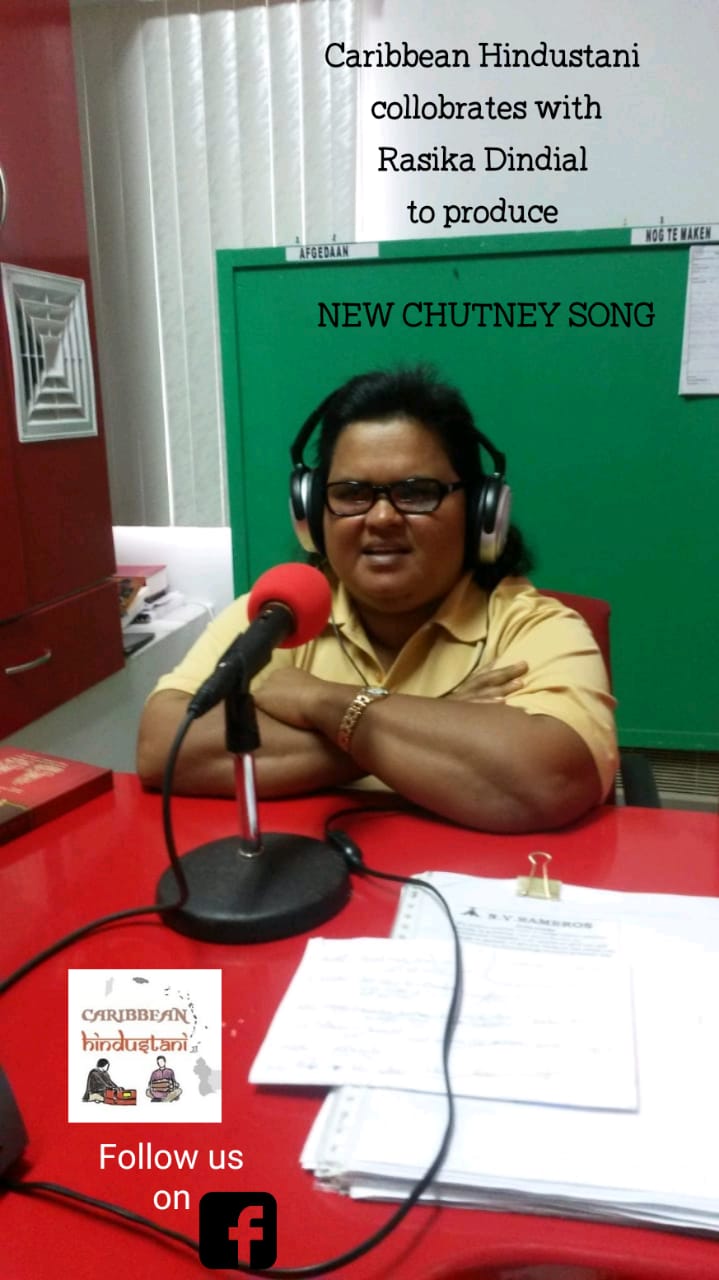
Caribbean Hindustani collaborates with Rasika Dindial

Caribbean Hindustani has been collaborating with many Chutney and Chutney-Soca artistes over the years. Many have sung lyrics for songs composed by Caribbean Hindustani on radio and in well-known competitions like the Chutney Soca Monarch. Rasika Dindial is the next top artiste that is in collaboration with us doing a popular number entitled “The Godna Song”.

The Hindustani word “Godna”, in English, means a tattoo. However, it’s not just any tattoo. It is a special type of tattoo that was tattooed on the hands of the women who were Indian indentured laborers and their female descendants, mostly Hindus. These tattoos bore motifs of Lord Rama’s garden and Mother Sita’s Kitchen, two epic figures in the Hindu holy scripture of the Ramayan also brought to the Caribbean by Indian indentured immigrants.
During the ritual of tattooing these motifs, folk songs were sung. Unfortunately, this tradition is now dead as these practices are no longer observed in modern times. We hope that with this collaboration with a vibrant and energetic singer like Rasika Dindial, a Chutney song will be created that will not only rock the dance floors, but teach the world of this dying tradition.

Why do Hindus Light an Oil Lamp?

If we add up all the lights from all the stars that exist in the universe, it would be a promethean flame compared to the abyss of darkness that is our universe. The existence of living beings on this earth was possible because of the energy emitted from the sun and the timing of that light by divisions into day and night due the earth’s rotation on its axis. This was responsible for establishing the Holocene that made life possible on earth.

Since the beginning of the Anthropocene, the Holocene’s regularity through day and night cycles and seasons sustained the human species and is responsible for man’s advancement. Humans’ pondering about the Holocene and the role of celestial orbs of light in the sky in it led to understanding of the existence of a higher power that was a personification of the dynamisms and reason for why things were the way they were. This personification continued to the extent of understanding of natural phenomena as manifestations of this higher power, be it the moon, the sun, the rain, storms, the ocean, the land, the day and night, and ultimately the sky and the radiance of the celestials that shone in the day and night. The latter was quite important as these celestials were important to man’s existence in a universe enveloped in darkness. So much so that it became a metaphor in systematized religion for knowledge being the light and responsible for human progress against the darkness of ignorance. In major religions, these celestials were ultimately personified to gods like the sun god, Jupiter, Venus and so on.

The invention of fire was a big leap in human existence as it provided light and warmth in the darkness and cold of night and also influenced humans’ diet as available food could now be cooked for easier digestion. Thus, it makes sense for example in the Hindu tradition to equate fire to the mouth of the Divine or Higher Power, the element that is active in our stomach for digestions and the messenger that carries human oblations to that Divine as in a sacrificial fire or havan. The ease with which the light of a flame was carried especially in the night was increased with the oil lamp. This is the diya in the Hindu tradition. Anything from which light emanated, even the flame, was seen to be a manifest of the Divine or derived from it. Thus, in Hindu tradition, the traditional deya became the center of worship to that Divine know as goddess Lakshmi to ever keep its radiance shining to light the path for man to continue to advance. This tradition is not unique to Hinduism as we see it in all other civilizations, more influential in today’s world from the Zoroastrian fire temples that was adopted by the Abrahamic religions in their Temple of Zion. We see this in modern-day Christianity, a religion that dominates our present-day world.

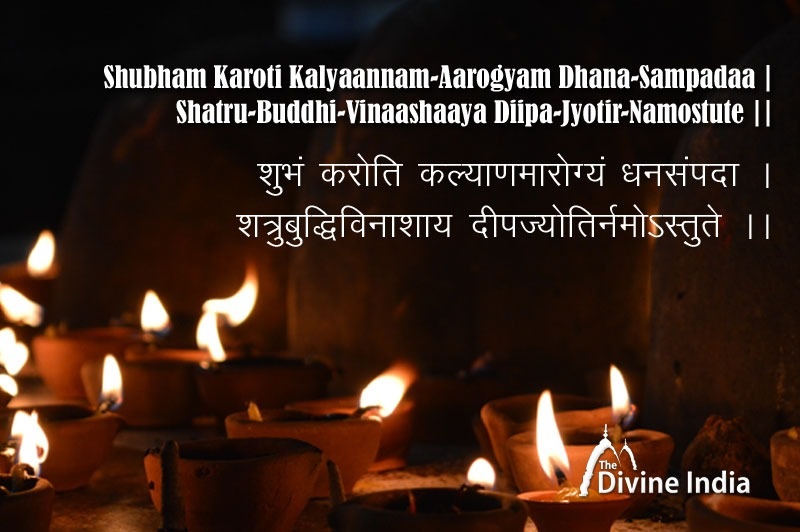
Within the Indo-Caribbean tradition, those who practice Hinduism ensure that at the Sandhya or twilight hour they say their prayers while lighting of a deya daily. In an age of electricity, where an older tradition of lighting an oil lamp is virtually obsolete, it is quite interesting to see how Indo-Caribbean Hindus hold on to this tradition. Not necessarily for its original pragmatic usage for having a source of light to protect us and make us functional at the night, but more so by revering it as a manifest of the Divine that continues to light our way to progress as a human species. This belief is so strong that, the religious narrative of having the place cleaned before we welcome the goddess in the from of light is the reality for the Caribbean Hindi. This despite the fact that, in a time without electricity, it was necessary to clean before 6pm when there was light and before lighting the lamp or else you could put yourself in danger of being bitten by snakes, scorpions, centipedes and other insects or vermin that may hide in dark corners of the old mud hut Hindus used to live in. This respect for the light is still so great that, many Hindus bow before the electric light when put on in the evening while reciting this famous Sanskrit mantra in praise of the light:

शुभं कुरुत्वम कल्याणमारोग्यं धनसंपदः।
Shubham Karoti Kalyaannam-Aarogyam Dhana-Sampadaa |
(Salutations to the light that brings auspiciousness, health and prosperity)
शत्रुबुद्धिविनाशाय दीपज्योतिर्नमोऽस्तुते॥
Shatru-Buddhi-Vinaashaaya Diipa-Jyotir-Namostute ||
(Which destroys inimical feelings, salutations to the light of the lamp)
दीपज्योतिः परब्रह्म दीपज्योतिर्जनार्दनः।
Diipa-Jyotih Para-Brahma Diipa-Jyotir-Janaardanah |
(The light of the lamp is supreme being, the light of the lamp represents the protector of the devotee or Lord Vishnu)
दीपो हरतु मे पापं संध्यादीपनमोस्तुते॥
Diipo Haratu Me Paapam Diipa-Jyotir-Namostute ||
(Let the light of the lamp wipe away my sins, salutations to the light of the lamp)

Festivities of Spring: A Key Aspect of our Identity

After the winter solstice on December 21st, from the northern hemisphere, the sun is viewed at the Tropic of Capricorn. This is its furthest declination south during its ecliptic. During this period, it is the height of winter in the temperate zone north of the equator and the days are very short. This is usually around the Yuletide season. Yule is a Germanic winter solstice festival, akin to the Roman festival Saturnalia. This now been adopted as Christmas in the Gregorian calendar. The premise of celebration, however, the same in all other winter solstice traditions. It is a tradition centered around the sun as a form of the Divine with wishes of longer warmer days at the end of winter.

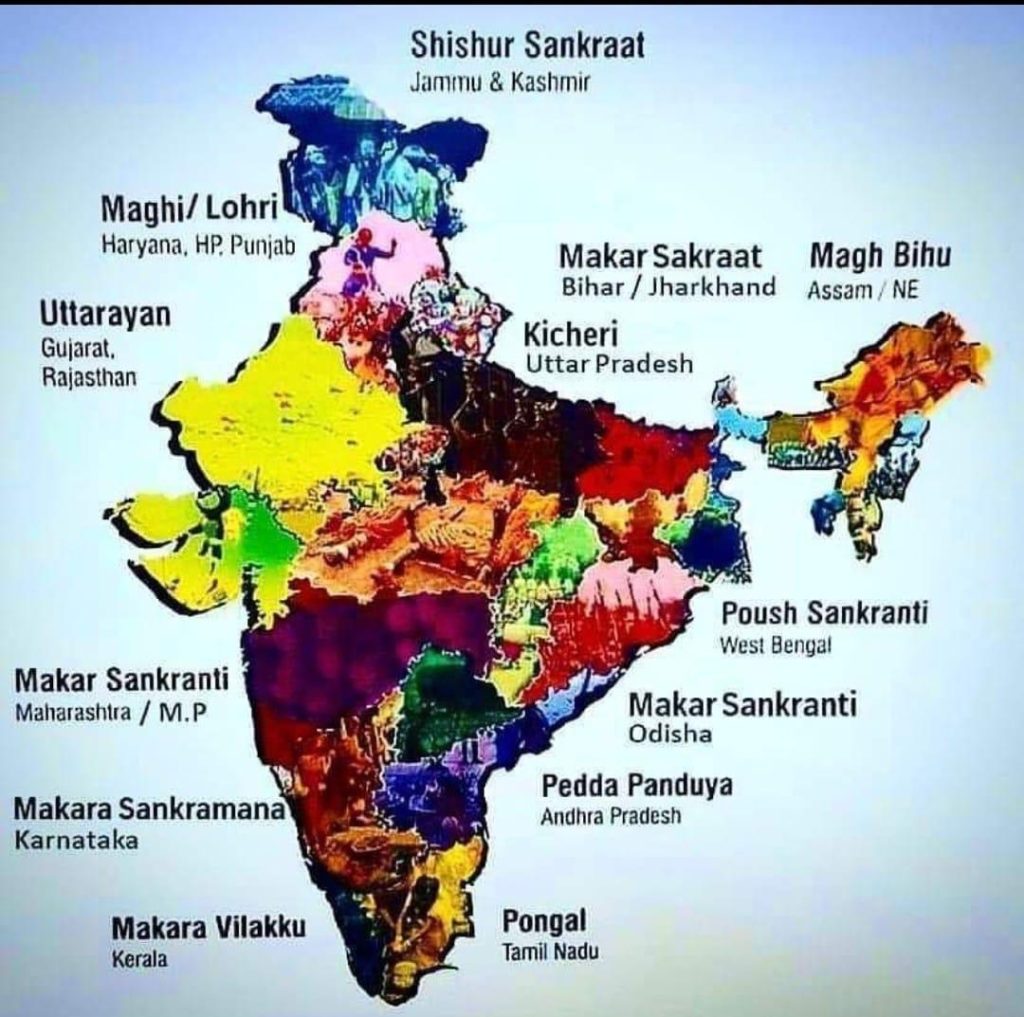
After the winter solstice, the sun’s declination starts moving to the north pole and the days being noticeably longer again. Around January 14th, the sun. as a celestial body, transits through the zodiac sign of Capricorn on its northward trek. In Sanskrit “Makar”, literally meaning crocodile, is the zodiac term for Capricorn and “Sankranti” means transit. This is a significant point for many civilizations as it also signals the end of winter and the beginning of spring.

In T&T the current period marks the harvest season. This would be familiar to many of us who remember the days of the sugarcane fields. The recent drop in our temperature, to below 25 degrees Celsius, is a tell-tale sign of this. For Hindu Indo-Trinidadians, this change in atmosphere was a classic sign that Makar Sankranti. Hindus worship the sun thanking his influence on the harvest bounty. For Roman Catholics, in T&T this date closely coincides with the Epiphanytide or the Epiphany season that begins on January 6th, the day after the 12 days of Yuletide or Christmastide has ended. Epiphany day Western Christianity is a feast that celebrates the visit to the Christ child by the Three Wise Men or Three Kings. Our French and Spanish traditions celebrate this as Three Kings Day. This day precedes Ash Wednesday or the start of the Lent (Spring) fast, 40 days before Easter or the height of spring.

India and its diaspora are one of the only civilizations that continue to practice this ancient tradition. It is an observation based on the solar cycles while most religious festivals are based on the lunar cycle. Thus, this festival is carded on the same date on the Gregorian calendar every year, January 14th/15th.

Today in the Indo-Caribbean world this festival is still celebrated by the various sects of Hinduism that came with the Indian indentured laborers. The major sect of Santana Dharma celebrates its as Makar Sankranti. However, we go to the French Antilles, we see the South Indian or Tamil festival of Pongal, known as Thai Pongal in India. It is observed at the start of the month of Thai according to the Tamil Hindu solar calendar. Again, this is also a harvest festival thanking the sun for his blessings on the bounty of the harvest.

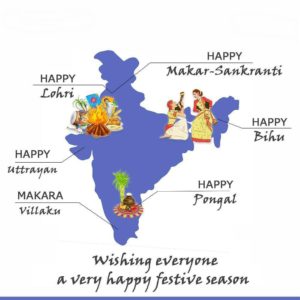
In Bollywood films, we see this festival as Lohri in the Sikh and Hindu Punjabi tradition. Many local Hindus often take a pilgrimage to the Kumbh Mela in India at the time of Makar Sankranti. These may be the few festivities of Makar Sankranti that we are exposed to here in T&T based on the media. However, Makar Sankranti is celebrated in a myriad of ways over the subcontinent of India as social festivities such as colorful decorations, rural children going house to house, singing and asking for treats in some areas, melas (fairs), dances, kite flying, bonfires, and feasts.

The more we look into the roots of the celebrations of spring, the more and more we realize how these geographic and climate-specific traditions have added to our unique identity here in T&T.

By Dr. Visham Bhimull
Founder of Caribbean Hindustani

Deyas: A Product of the Konhaar or Potter Tradition

It’s Divali time once again! One of the most popular thing this year round is the deya or small earthen pots used as lamps to celebrate the festival. But during this period the Konhaar or Potter who mass produces these are never highlighted. The word Konhaar is the Bhojpuri term for the Standard Hindi word Khumbhaar meaning potter. In the Indian tradition, this was a caste or profession that was passed down through families. A tradition that bears evidence in the popular names of families that run pottery shops of the Indo-Caribbean tradition in Suriname, Trinidad and Guyana.

This tradition of the Indo-Caribbean experience is very under represented in the research material that covers Caribbean history. Often we find research on the pottery of the indigenous peoples of the Caribbean, but seldom this pottery tradition that was brought by Indian indentured immigrants is seldom enocuntered. The artist, Mr. Ricahrd Rampersad of T&T, is one of the few individuals who have actually covered the Konhaar tradition in Trinidad & Tobago during his post graduate research at the University of the West Indies in his masters thesis “Memories In Mud: Probing The Material Culture of the Pottery Tradition in Central Trinidad”.  He looked at various families in Chasevillage and Charlieville, Trinidad who still practise this tradition and continue to make a livelihood of it while keeping the tradition alive.

These are among the many Indo-Caribbean traditions that we explore here at Caribbean Hindustani.

Here is an excerpt from the documentary done by Pavan Marhe of the Netherlands on the Indian pottery tradition in Suriname: https://www.facebook.com/983078648560376/videos/677406363192100

Please see:
http://www.rampersadart.com/

https://www.youtube.com/channel/UCM3vNzTPWzJcA9hgcEXlMIA

The Trinidad Bhojpuri Family Tree

Caribbean Hindustani presents the Trinidad Bhojpuri family tree. It illustrates the different names by which we call our various family members in the Indo-Caribbean tradition. You can see how it is more scientific than the conventional English way of naming our relatives. There are some differences that one may notice when comparing with the modern standard Hindi family tree. There may also be slight differences in the Sarnámí (Surinamese Hindustani) family tree and the Guyanese Bhojpuri family tree. Also, note that ‘swayam’, which indicates from whose perspective the tree was drawn up. The illustration is from a male perspective, and if done from a female perspective the names would change.

Like in Modern Standard Hindi, these names of kin are derived from spoken Sanskrit or Prakrit. Bhojpuri yields these names of kin from Magadhi Prakrit (the eastern vernacular of spoken Sanskrit) and Hindi from Shauraseni Prakrit (the central-western vernacular of spoken Sanskrit). This would account for the differences in Bhojpuri vs Hindi.

The Hindustani family tree is more scientific when compared to English and European languages as each kin has one word for a specific name. Where as in English you use two words to describe your “maternal grandmother” in Trinidad Bhojpuri it is specific to one word “Nani”

Please leave a comment and let us know what you think. Caribbean Hindustani is working to document and preserve all of our Indo-Caribbean traditions such as this. Please feel free to contact us if there are any special pieces of information you would like to request!
#TrinidadBhojpuriFamilyTree 

Please visit our Facebook: https://www.facebook.com/caribbeanhindustani

No photo description available.

The Godna or Tattoo Tradition among Indo-Caribbean People

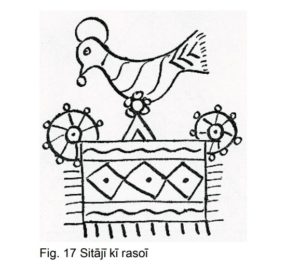
The Godna or tattoo tradition was very prominent among the woman folk of the Indian indentured labourers and their descendants. Till today, women in their 80s still bear these tattoos on the flexor aspects of their forearms, one they got before marriage and the other after marriage. They all attest to the fact that if they did not have these, their in-laws or a holy man would not even accept water from them. These women tell of the Godna walas or Godaiyas (tattoo artists) who’d come with their instruments, and while singing, they would etch the tattoo on the forearm, chest, nose, and chin. Two of the most popular designs were ‘Ram ke bagaicha’ (the garden of Ram) and ‘Sita ke rasoi’ (Sita’s kitchen). The latter is illustrated below. This tradition no longer exists in the Caribbean and is only told in recollections or recounts by the women who are still alive that bear them.